Get the iconoclastic new book Morbid: Debunking Modern Longevity Science - Out Now!
Saul Justin Newman
An Oxford Boffin from the Australian Bush
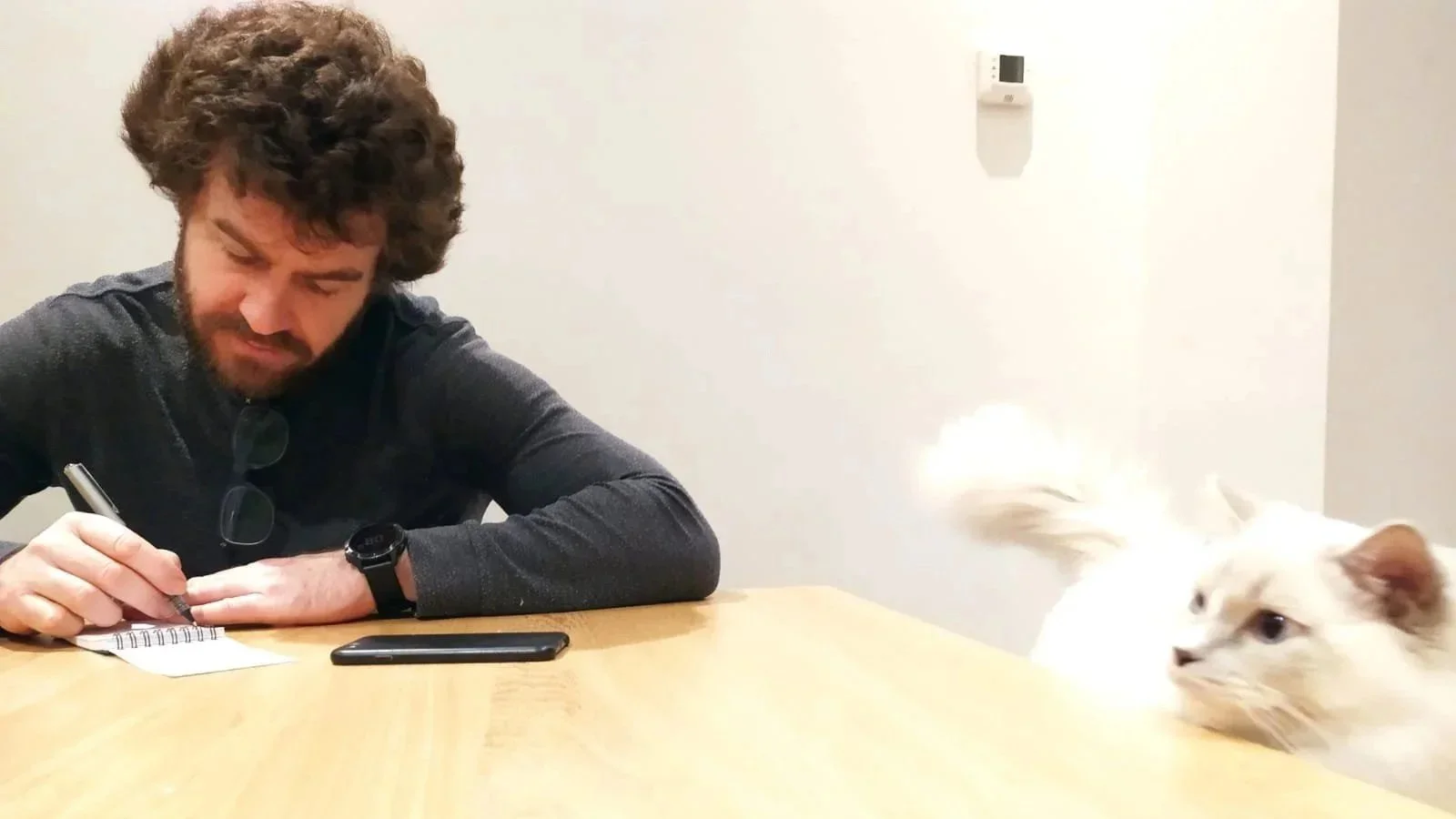
Saul is a Senior Research Fellow at the University of Oxford and University College London, a sole-custody father of two, and the winner of the Ig Nobel Prize for science that “Makes You Laugh, then Think.”
His wildly contentious new book Morbid launches on June 30.
The book is non-fiction chaos.
Blood is taken from unknowing Texan teens. Anti-aging celebrities tout penis-botox and a nasal spray for mice. A Russian mathematician tries to dig up a famous corpse, the world’s oldest man is a fraud, and a billion-dollar aging ‘cure’ merely causes diarrhea.
Famous Oxbridge professors try to sleep with children.
Billions of dollars are lost.
People die.

“Saul Justin Newman has a deliciously wicked wit and an addictively original writing style, which serve him (and readers!) well in taking bullshit science to the mat.”
Mary Roach - Author of “Grunt”, “Stiff”, and “Packing for Mars“
Praise and Press
Saul has generated global coverage with his sharp debunking and science. Follow the journey of his upcoming book and see some of that coverage here.
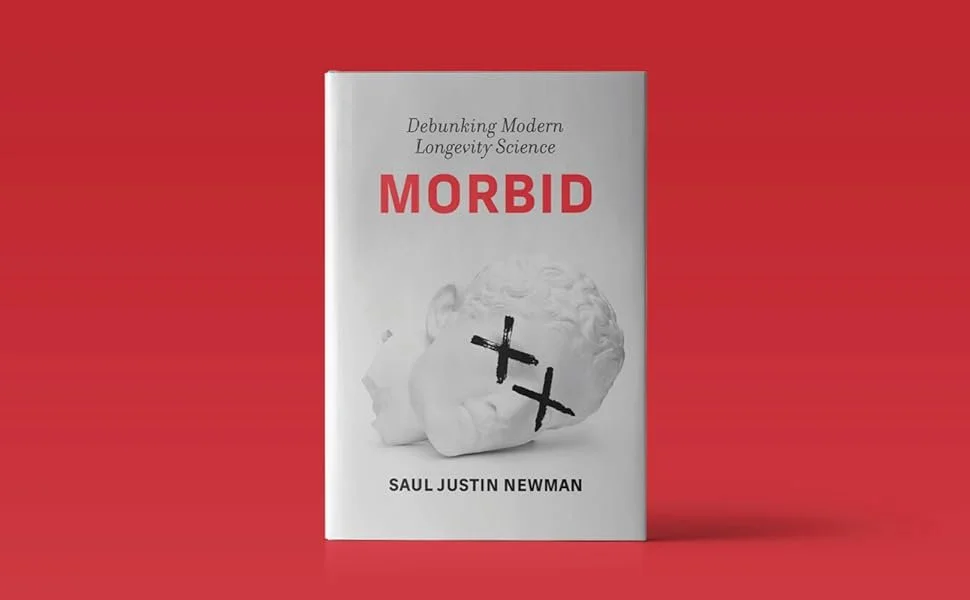
Recent Reviews for Morbid
A darkly comedic journey into the science of aging—where ethics are irrelevant, the studies are a sales pitch, and the "world's oldest living people" all turn out to be dead.
Featured in Publisher’s Weekly Top 10 Science Books in Spring 2026
“a story so scandalous it rivals something seen on reality TV… With logic, math and wit, he pokes holes in high-profile longevity research and undercuts a whole field of antiaging ‘medicine’”
Megan Rosen for Science News
“Newman debunks myths about longevity without a miss, and I’m left daring who to trust. I loved it.”
Dame Sue Black, author of All That Remains and Written in Bone
“Whether you’re chasing arcane ingredients in Blue Zone cookbooks or practicing the secret ‘power nine’ list of behaviors, Saul Justin Newman is here to disprove the reams of bogus longevity research loose in the world these days. Morbid’s brilliant combination of comedy and rigorous exposé make this the liveliest science title to appear in many a day.”
Pope Brock, author of Another Fine Mess, Life on Tomorrow’s Moon, Essays and Charlatan: America’s Most Notorious Huckster, the Man Who Pursued Him, and the Age of Flimflam
"A witty, fun, and devastating deconstruction of the longevity field. Newman has taken a scalpel to the folks peddling centenarian 'secrets' and left the emperors of aging with no clothes. A best of the year science book."
Juan Enriquez, author of As the Future Catches You and Right/Wrong
Dr Newman’s Science
Saul has published highly original and independent science in a broad range of fields. View some of his papers here.
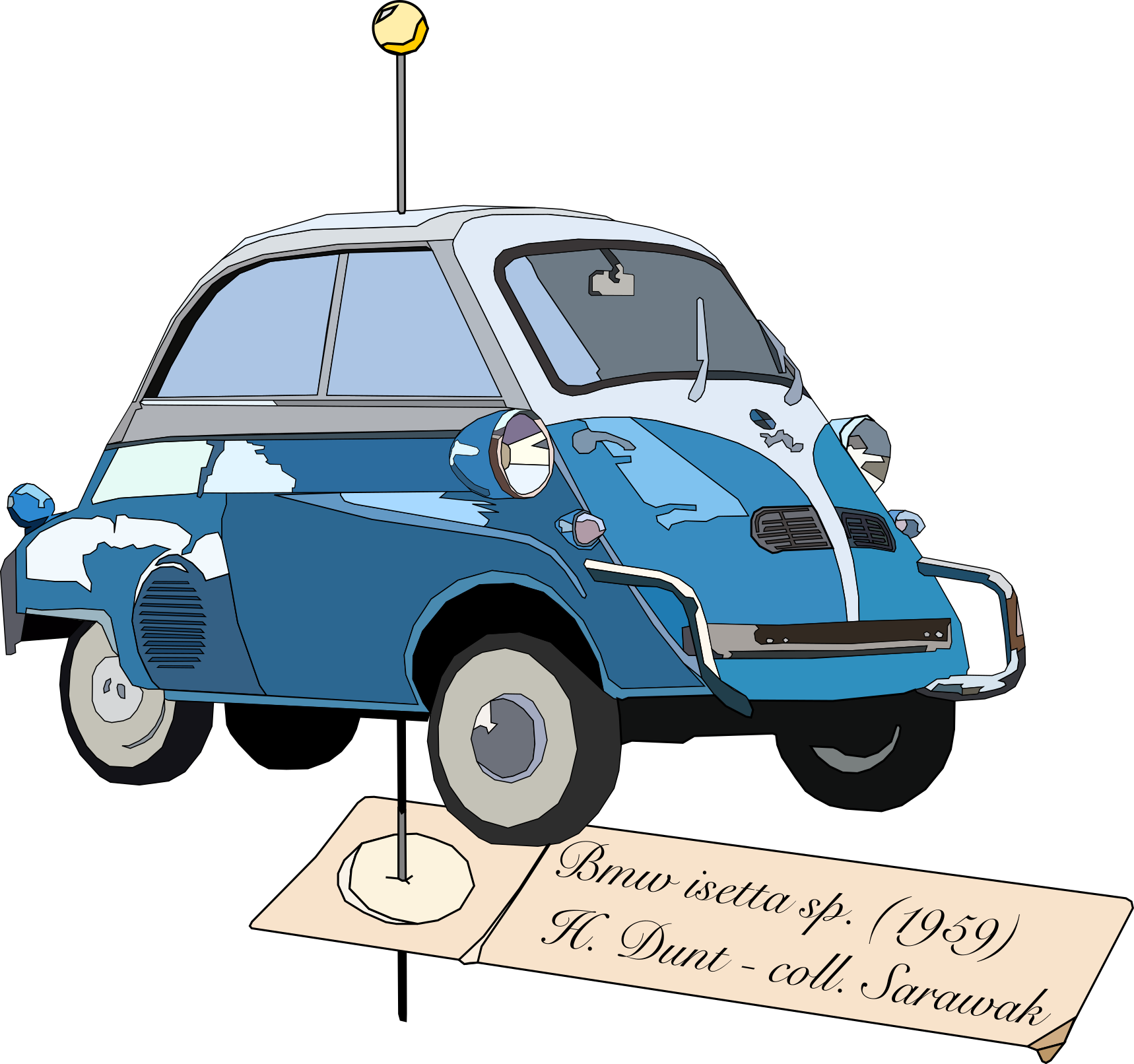
The Death of Vehicles
Explore the longevity of all 65 million British vehicles in this fun, original paper. The work looks at practical aspects of how long machines live ‘in the wild’, and delves into how surprising findings may affect our picture of aging.
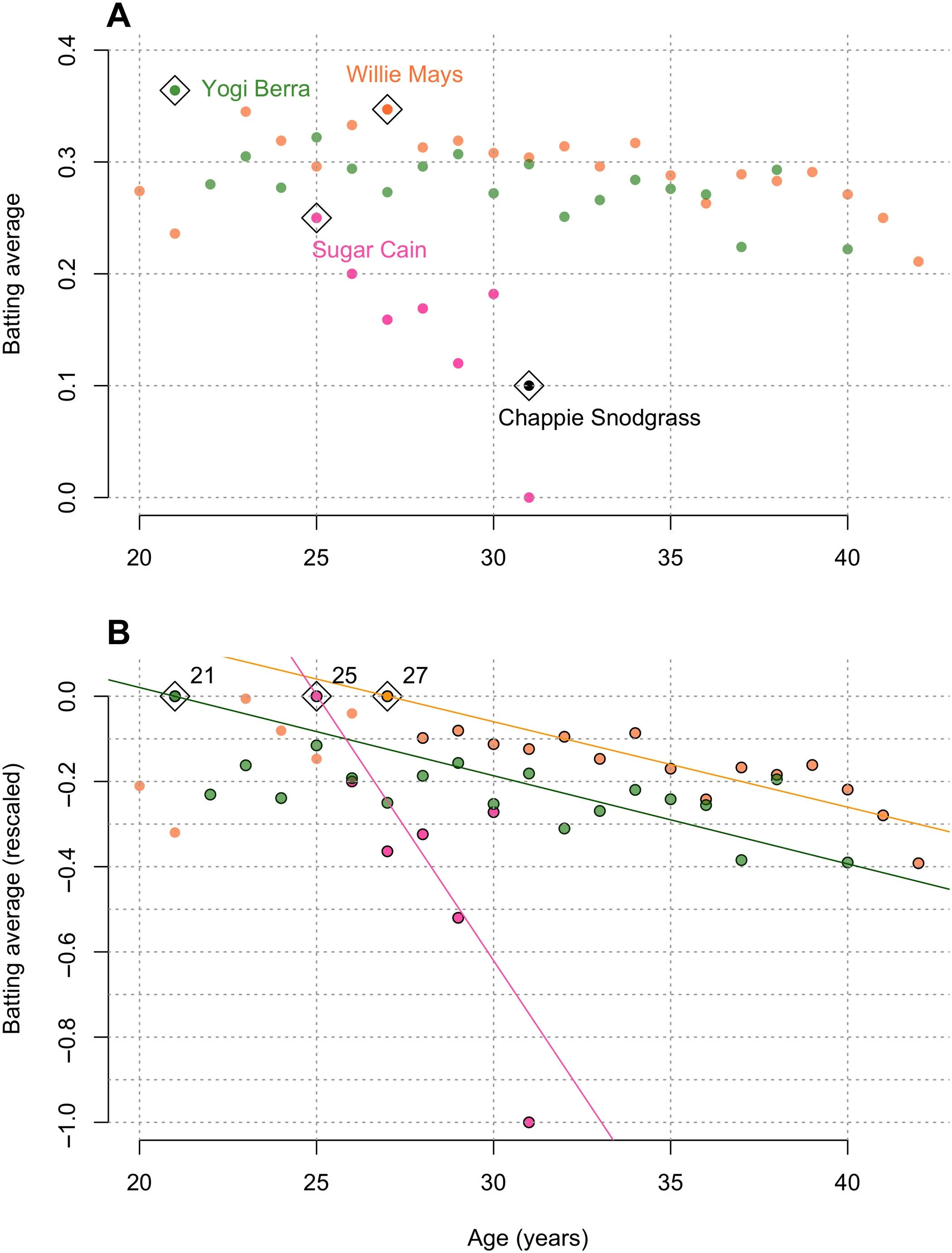
Death and Baseball
A fun, short paper published in Science Advances on how early-life declines in physical performance predict late-life survival and death.
Measured across thousands of athletes and two very different sports, this paper explores how early-life rates of decline predict your ultimate decline, but only if you are a ball player called “Sugar Cain” or “Chappie Snodgrass.”
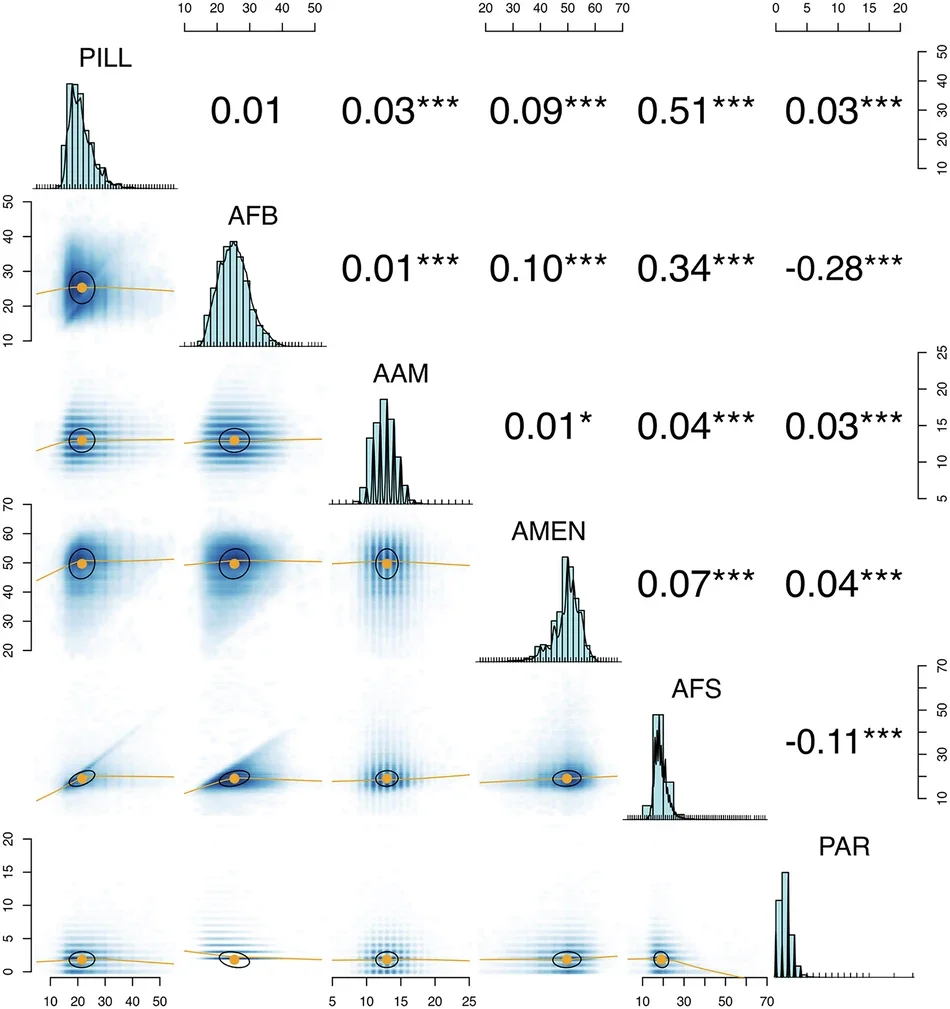
Longevity, Evolution, and Oral Contraception
Published in Nature’s Women’s Health, this work looks at the potential effects of oral contraception on the pattern of aging in women, and the mortality rate overall. The analysis looks at the way evolutionary trade-offs between reproduction and longevity may be affected by contraceptives that mimic early pregnancy.
It is a curiosity-driven paper looking for targets for further research.
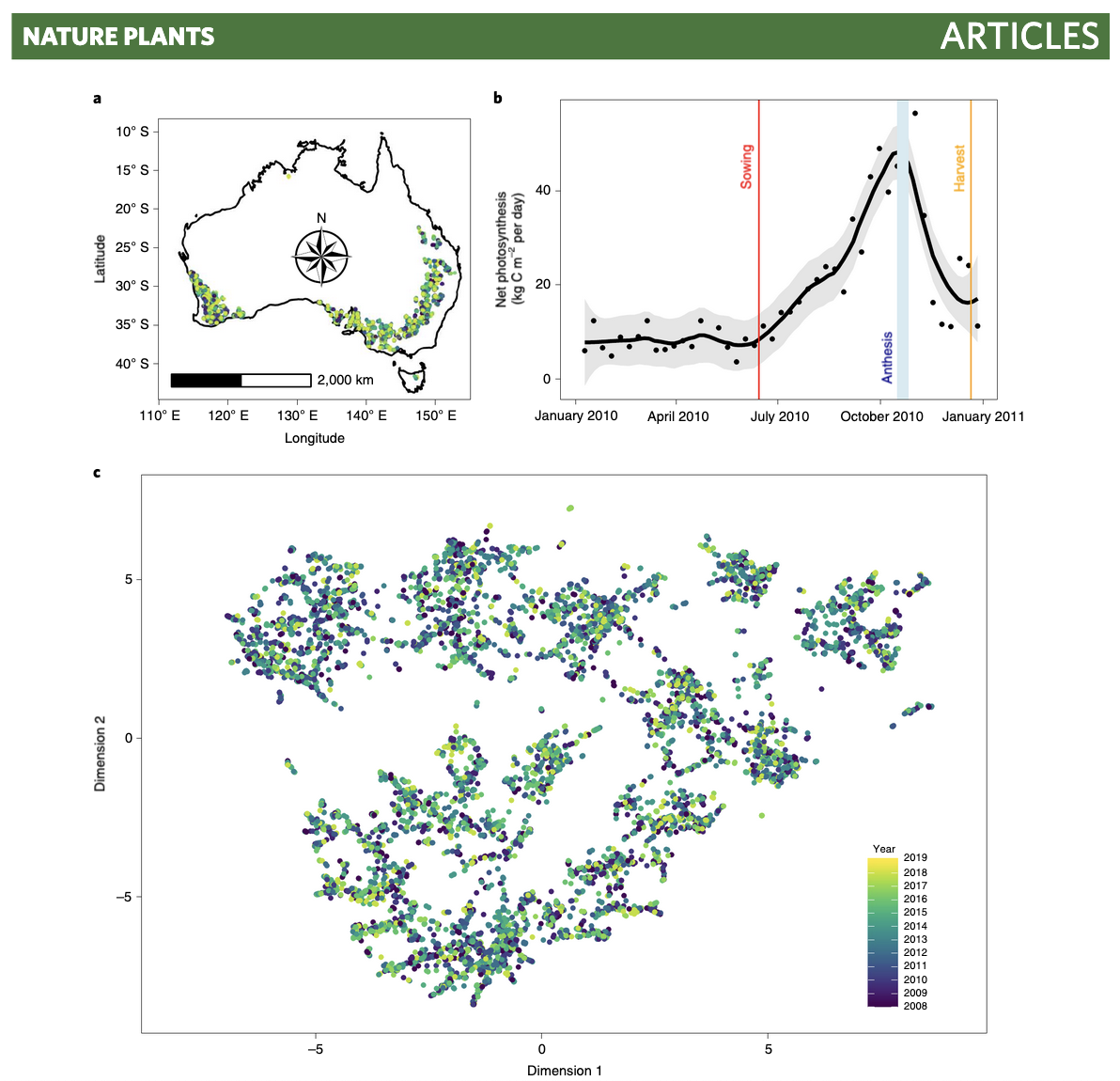
Plants, Space, and Robot Farmers
Published in Nature Plants, this pre AI-hype paper explores the potential for interpretable machine learning to help feed people (rather than enrich the wealthy).
The paper relies on a concurrent publication of the world’s largest public database of plant field experiments, rescued by Saul from deletion and enriched with satellite data.
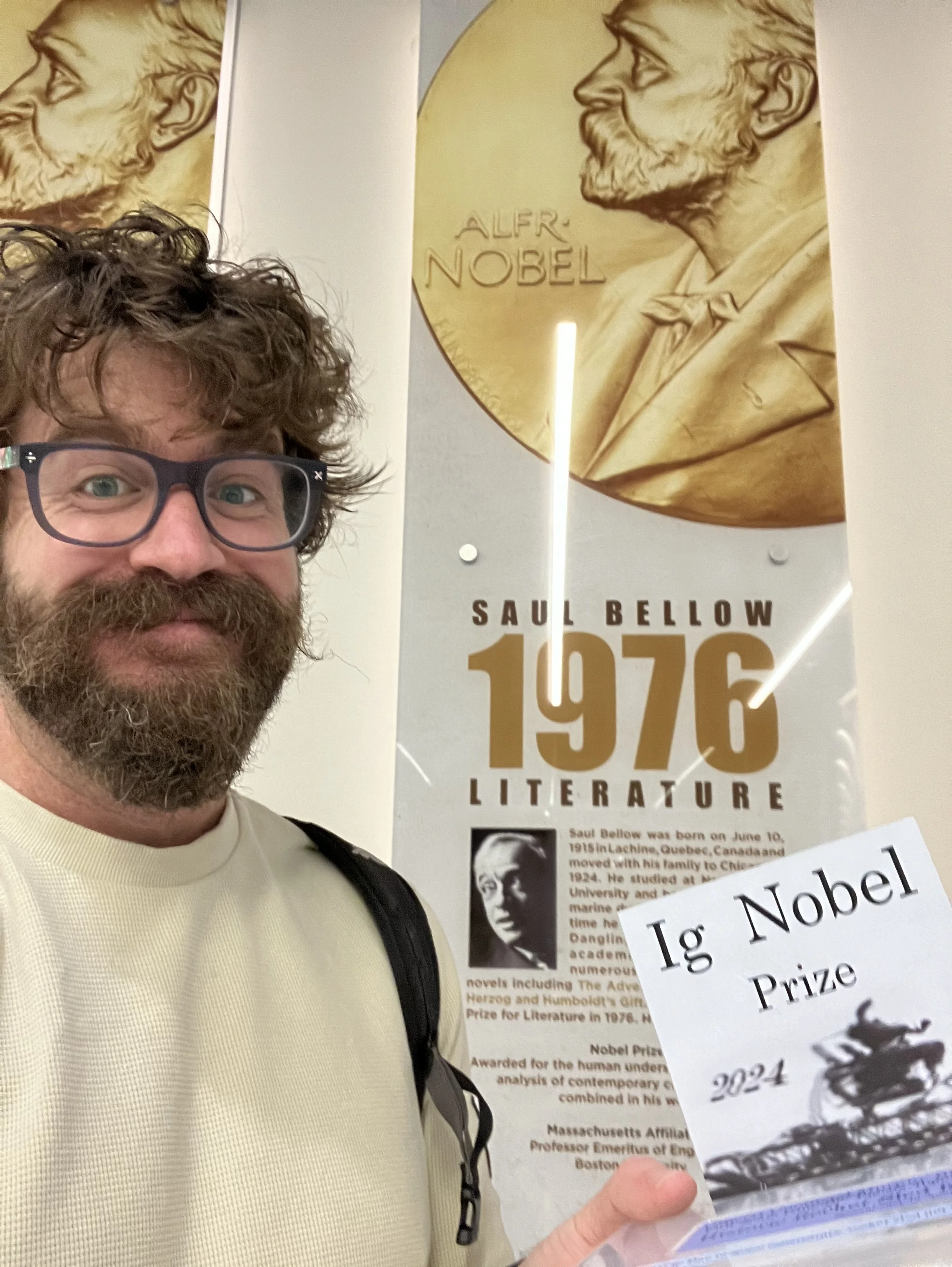
Debunking Longevity Records
This Ig Nobel Prize winning preprint has now gone through an incredible NINE peer reviews - triple the normal amount. These reviews are now published, but the paper is not.
The paper is also one of the 100 most-discussed papers of 2019, of more than two million competitors, and the journal refuses to either publish or reject it. It hangs in limbo, despite winning a funny award - and getting global press.
Nobody, anywhere, has answers for the critiques inside or the scathing analysis of a field in crisis.
All the rest!
See the rest of Saul’s scientific work, from sole author work in The Lancet and PLoS Biology, to collaborative efforts in Nature Climate Change, or papers in genetics and AI - all the way down to the journals you’ll never recognise.
They are all available on his Google Scholar profile and Researchgate page.